
Loading...
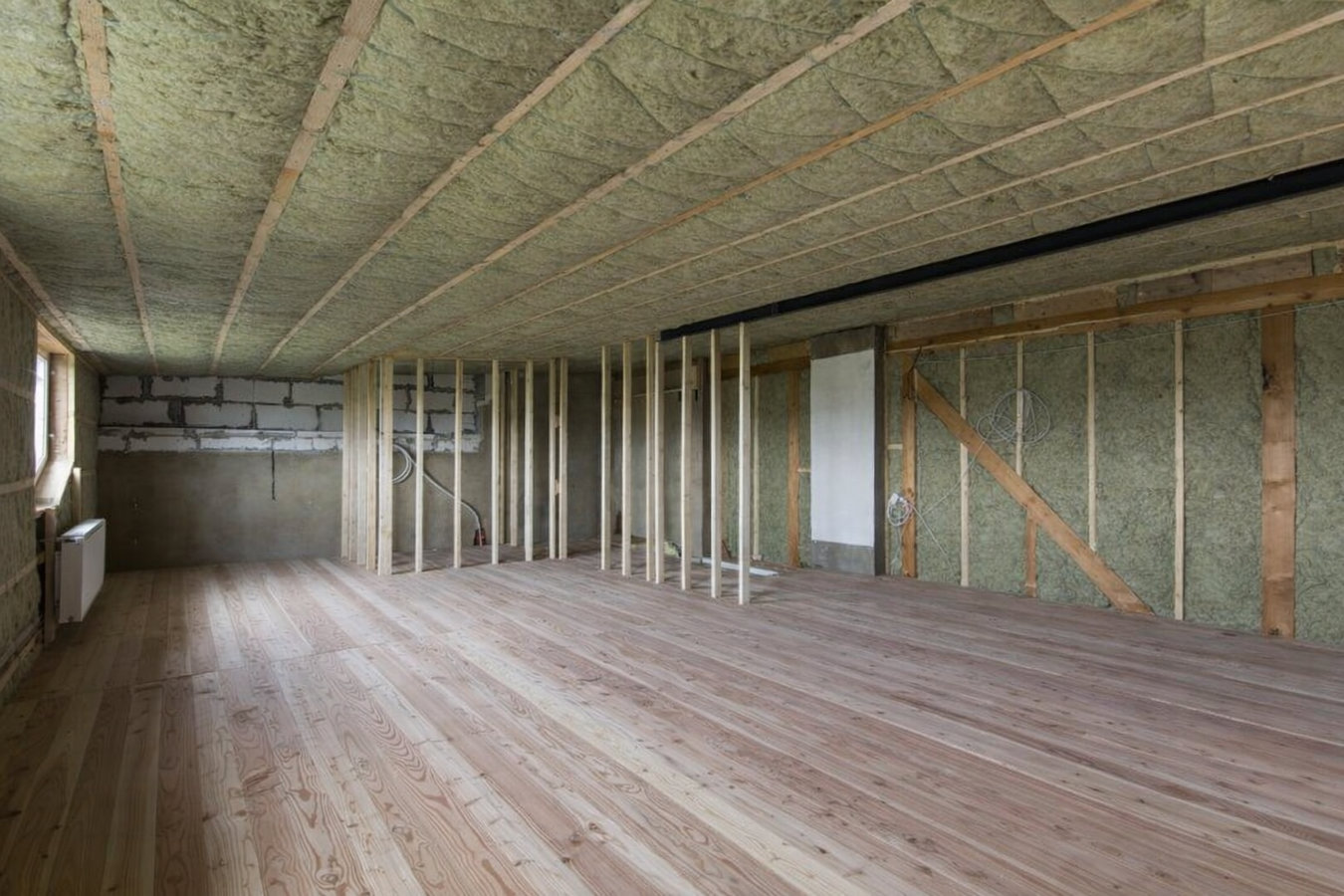
Your foundation walls absorb desert heat all day. We install basement insulation that keeps that heat out, so your floors stay comfortable and your AC bill stops climbing.
Basement insulation in Sunland Park creates a barrier between your living space and the heat absorbed by your foundation walls, and most residential jobs are completed in one to two days.
In the Chihuahuan Desert, your concrete or block foundation walls spend all day soaking up heat. Without insulation, that heat transfers straight up into your floors and living rooms - and your air conditioner has to fight it every step of the way. Basement insulation in Sunland Park stops that transfer at the source. Many homeowners who schedule basement insulation also pair it with closed-cell foam insulation on rim joists and wall penetrations for a more complete thermal seal.
If your home was built before the mid-1990s, the chances are high that your basement has little or no insulation at all - homes in the Sunland Park area were simply not built to today's standards. The good news is that upgrading is straightforward, and you will feel the difference within the first season.
If your ground-level floors feel noticeably cold during Sunland Park's winter months - especially when overnight temperatures dip into the 30s - that cold is rising from an uninsulated basement below. You should not need to wear heavy socks in a heated home. This is one of the clearest signs your basement is pulling heat away from your living space.
Sunland Park summers are intense, and if your air conditioning runs constantly without keeping the house comfortable, an uninsulated basement may be part of the problem. Heat from the desert ground and sun-baked foundation walls works its way into your home from below. If your utility bills have crept up year after year, basement insulation is worth investigating.
If you notice a damp smell, water stains, or visible moisture on your basement walls after a heavy monsoon storm, water is finding its way in. Moisture issues must be addressed before insulation goes in - trapping dampness behind insulation creates conditions where mold can grow unseen. A good contractor will assess for moisture during the estimate visit.
If one room always feels too hot in summer or too cold in winter compared to the rest of your home, and that room sits directly above the basement, the connection is often the uninsulated floor between them. Heat and cold travel through unprotected surfaces, and the room above an uninsulated basement is usually the first place homeowners notice the problem.
We insulate basement walls, rim joists, and ceilings depending on how you use your space and what your biggest comfort problem is. Wall insulation is the right choice for basements you use for anything beyond storage - it keeps the entire space warmer in winter and cooler in summer. Ceiling insulation is a simpler option when you want to separate the basement temperature from your living space above without fully conditioning the basement itself. For homes with significant air gaps around pipes, wires, and the sill plate, we start with thorough air sealing before any insulation material goes in - because gaps let air bypass insulation entirely.
Many basement jobs also benefit from pairing with crawl space insulation when the home has both types of below-grade spaces. For homes that have never been updated, we can assess whether the existing material is worth keeping or needs to be removed first - and we handle full closed-cell foam insulation applications when a superior moisture-resistant seal is the right call.
Best for homeowners who use the basement as living or utility space and want to keep the whole floor warmer.
Ideal for homes with significant drafts near the floor - this is often where the most air leakage in a basement occurs.
A practical choice when you want to protect the living space above without fully conditioning the basement itself.
Sunland Park sits in the Chihuahuan Desert, where summer days regularly exceed 100 degrees Fahrenheit and overnight temperatures can swing 30 to 40 degrees cooler. Your foundation walls are constantly expanding and contracting with those temperature changes, which creates small gaps over time where conditioned air escapes. Basement insulation - installed with attention to those gaps - helps your home hold a stable temperature without your air conditioner running nonstop. Homeowners in Santa Teresa, NM face the same desert-floor heat transfer issues, and the same approach applies across the area.
The area also sits on caliche soil - a hard, calcium-rich layer common throughout this part of New Mexico that does not drain water well. When monsoon rains arrive in July and August, water can pool against foundation walls rather than soaking away. That is why we assess every basement for moisture before any material goes in. Homeowners in Anthony, NM have the same caliche and monsoon conditions, and we apply the same moisture-first approach on every job across the region. The U.S. Department of Energy recommends addressing moisture before insulating any below-grade space.
When you reach out, we will ask a few quick questions about your home - its age, basement size, and whether you have noticed any moisture or comfort issues. We reply within one business day and schedule an in-person visit at your convenience.
We walk your basement with you, check for moisture, measure the space, and explain exactly what we recommend and why. You receive a written estimate - usually within a day of the visit - with no pressure to commit.
Before the crew arrives, move stored items away from the basement walls. That is the main task for you. Our crew arrives with materials, seals air gaps first, then installs the insulation. Most residential jobs are completed in a single day.
When the work is done, we walk you through the finished basement so you can see exactly what was installed and where. We leave the space clean, and your home starts benefiting from the insulation immediately - no curing period needed.
Free written estimate. No pressure. We reply within one business day.
(575) 266-8167We assess your basement for moisture before any material goes in. Trapping dampness behind insulation creates mold conditions that can damage your home's structure - so we make sure the space is ready first, every time.
We pull permits when your project requires one and coordinate the paperwork with local building officials. Every job is documented from start to finish, so you have a clear record of what went in and why. That paper trail protects your investment.
Most residential basement insulation jobs in an average-sized Sunland Park home are completed in a single day. We show up when we say we will, finish the work cleanly, and walk you through the results before we leave.
We work throughout Sunland Park and the surrounding Dona Ana County area, including homes near the Texas border and the older neighborhoods that were built before today's energy standards. We know the soil conditions, the monsoon patterns, and the housing stock here.
When you combine local knowledge with a moisture-first process and permitted work, you get a result that actually holds up through Sunland Park's monsoon season and summer heat. That is the standard we hold every job to. Ask for a free written estimate and references from nearby homeowners before you hire anyone.
A spray-applied rigid foam that seals air gaps and resists moisture - a strong option for rim joists and below-grade walls.
Learn MoreInsulation for homes with a crawl space below rather than a full basement - addresses the same ground-heat and moisture challenges.
Learn MoreBeat the monsoon season - get your basement assessed and insulated before Sunland Park's summer rains arrive.